You’ve rehabbed the injury, you’ve done the exercises, and you’ve returned to training — only to get hurt again, often in the same place or somewhere nearby. This isn’t bad luck. It’s almost always the result of an unresolved muscle compensation pattern.
What Are Muscle Compensation Patterns?
When one muscle group isn’t functioning properly — whether due to weakness, inhibition, pain, or past injury — the body doesn’t simply stop moving. It compensates. Other muscles take over the load. Movement patterns shift. And over time, these compensatory strategies become ingrained, creating a chain of dysfunction that spreads far beyond the original problem.
A tight hip flexor leads to inhibited glutes. Inhibited glutes overload the hamstrings. Overloaded hamstrings pull on the knee. A knee issue alters foot strike mechanics. Suddenly you’re dealing with plantar fasciitis — and your original hip problem has been “fine” for months.
Why Athletes Are Especially Vulnerable
Athletes are driven to keep performing through discomfort. This is admirable — but it accelerates compensation. When a painful structure is off-loaded through a movement workaround, the brain rewires motor patterns to protect it. Even after the tissue heals, those altered patterns often persist. The athlete returns to sport moving differently than they did before the injury, placing new stresses on structures that weren’t designed to carry that load.
High training volumes then push those compensatory tissues to their limit — and the cycle of injury repeats.
How We Identify Compensation Patterns at Nucleus Physical Therapy
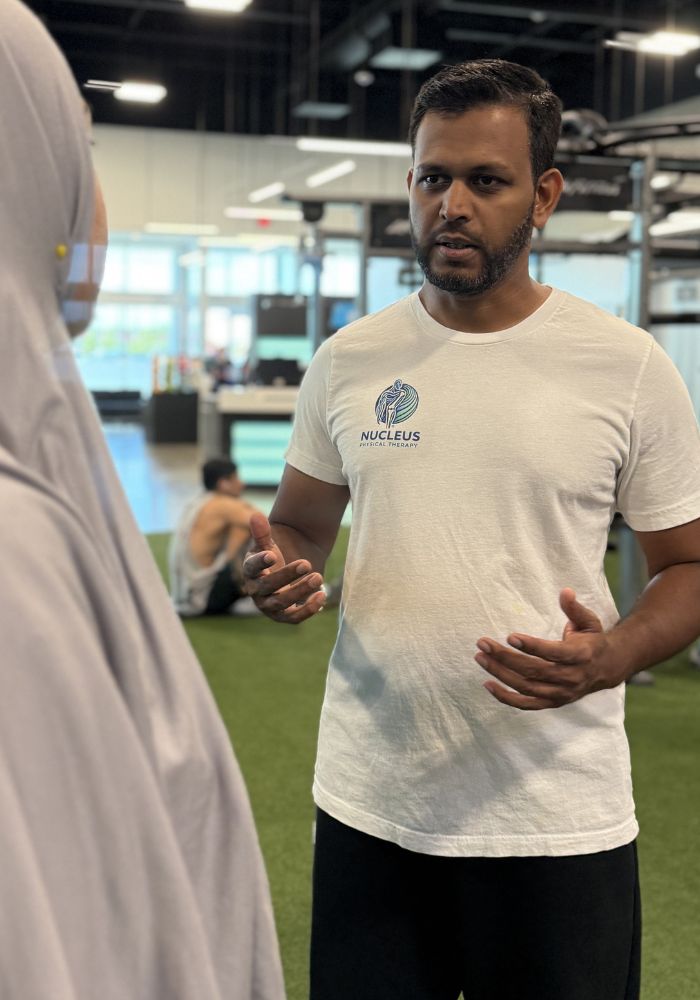
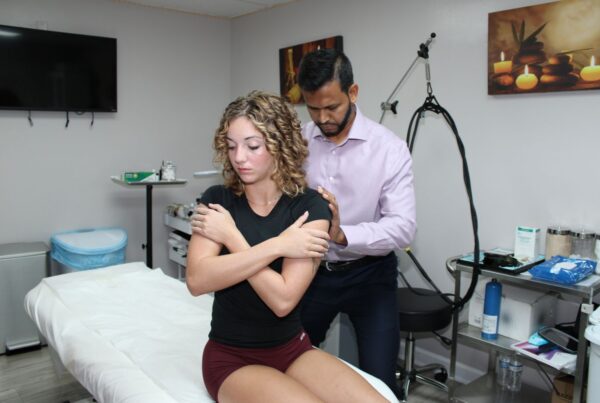
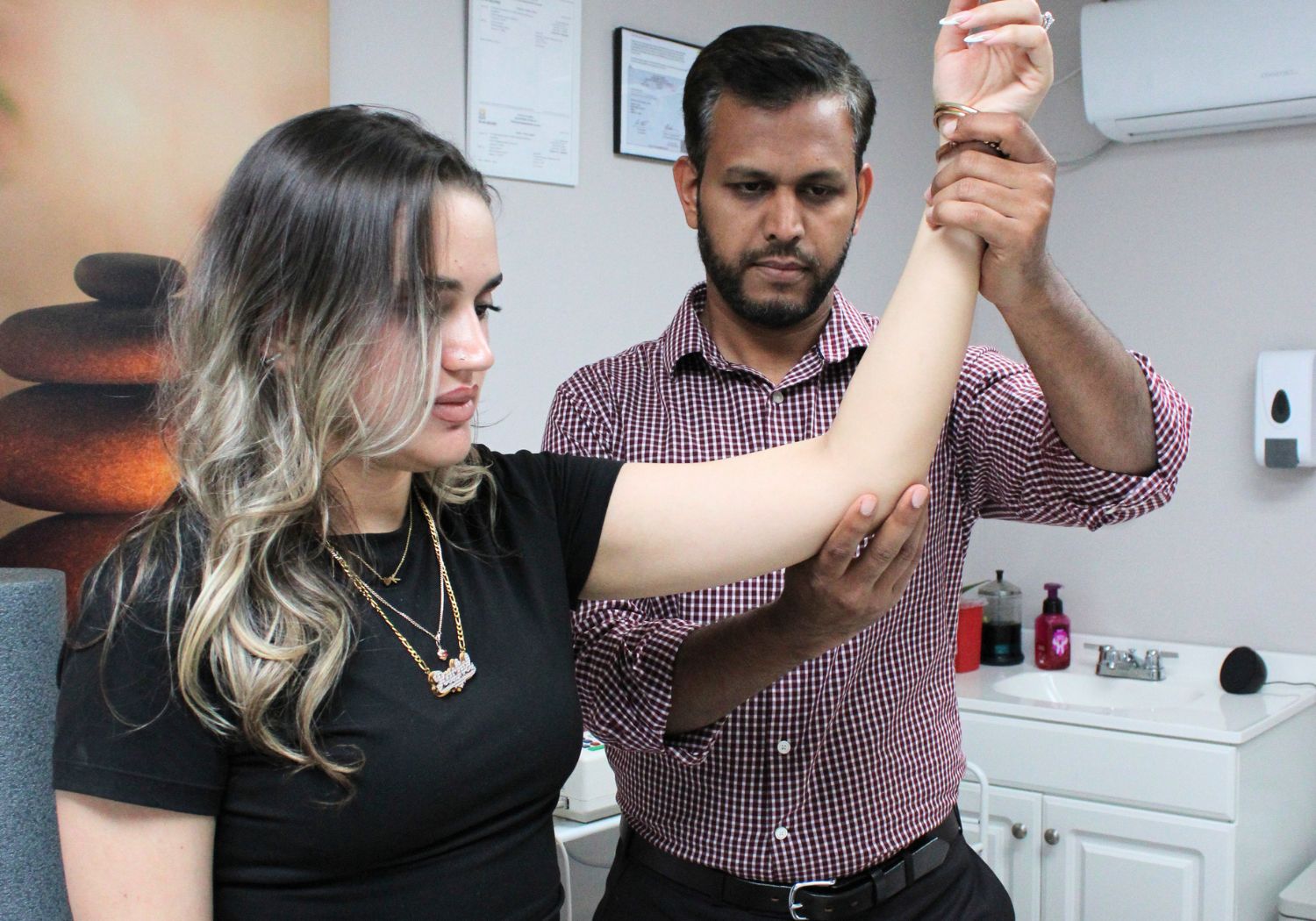
At Nucleus, we don’t just test the area that hurts. We assess the entire kinetic chain. Using muscle testing, movement screening, and the Be Activated Method, we identify which muscles are underperforming, which are overcompensating, and how those imbalances are affecting your mechanics under load.
This process often reveals the true root cause of recurring injuries — a cause that’s frequently nowhere near where the pain actually is.
Fixing the Pattern, Not Just the Pain
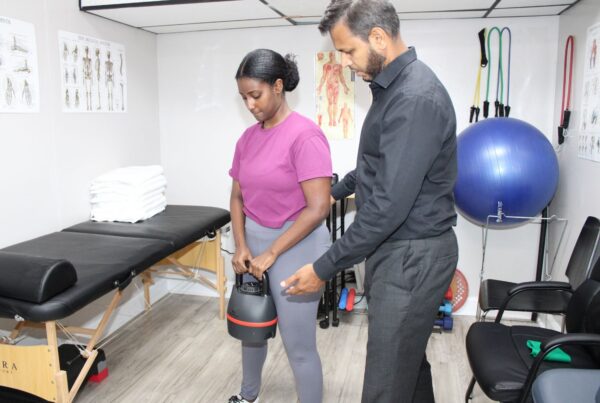
Once we’ve mapped the compensation pattern, we build a targeted plan to restore proper muscle sequencing. This includes activating inhibited muscles through specific reflex point stimulation and neuromuscular techniques, progressively reloading the underperforming tissue, retraining movement patterns under sport-specific conditions, and educating you on how to monitor and maintain proper muscle function long-term.
The goal isn’t just to get you back on the field. It’s to get you back better — moving with the efficiency and resilience your performance demands.
If you’re an athlete dealing with recurring injuries or nagging pain that never fully resolves, book an evaluation at Nucleus Physical Therapy in Tampa. Let’s find the pattern driving your problem and break it for good.