
Jaw clicking often occurs when the TMJ disc does not move smoothly with the joint. It may be harmless, but persistent symptoms should be evaluated.
TMJ Treatment in Tampa

1-on-1, 60-Minute Sessions
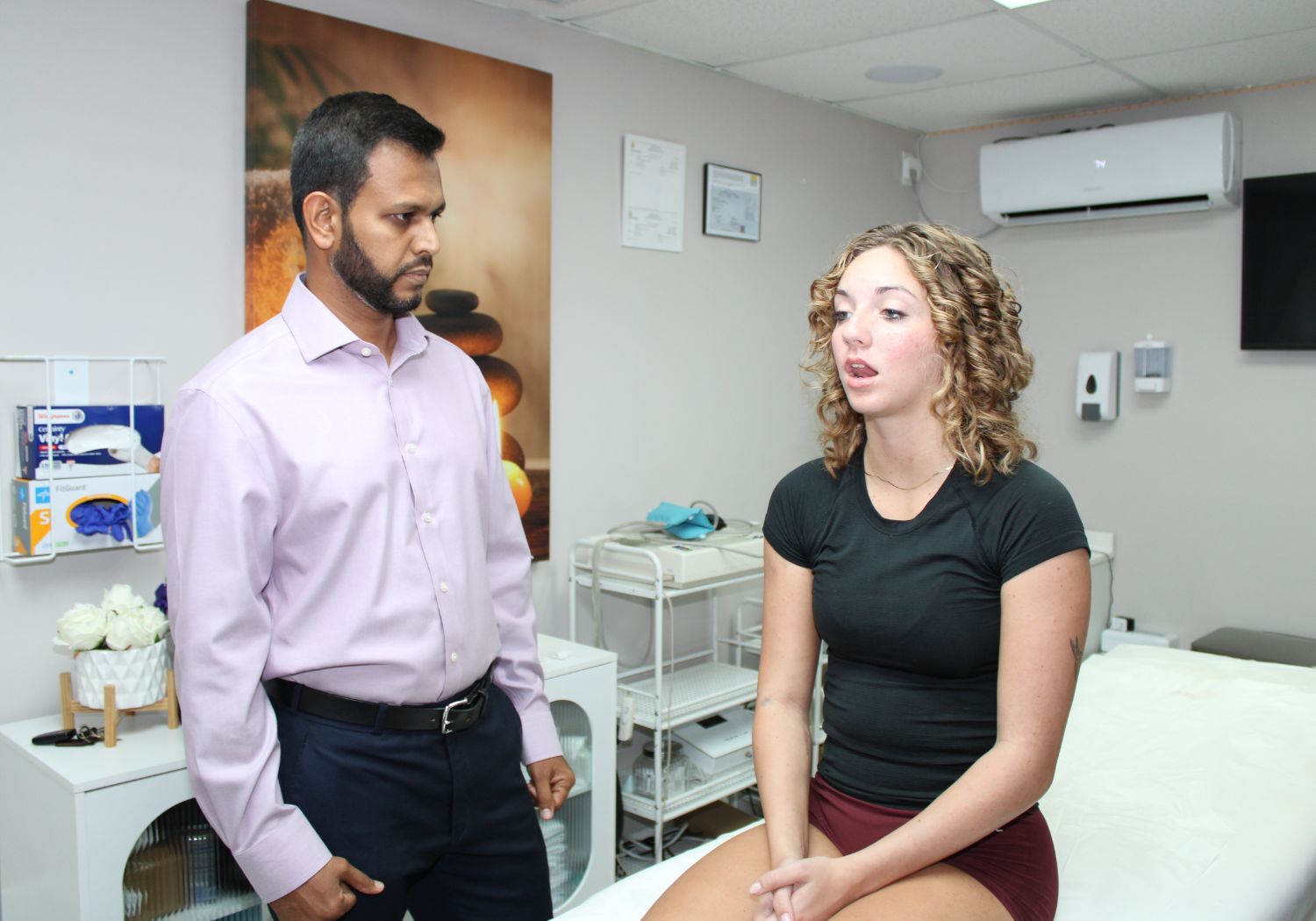
Every visit is a full 60 minutes with the same doctor of physical therapy — focused, root-cause care for your TMJ Treatment.

Root Cause, Not Just Symptoms
We find and fix the mechanical issue driving your pain, so relief lasts instead of fading after a few days.

Direct Access, No Referral Needed
No referral required in Florida. Our out-of-network, private-pay model means 1-on-1 care — not shared with 3-4 other patients.

What causes TMJ disorder?
TMJ disorders can develop from jaw clenching, teeth grinding, stress, injury, joint irritation, muscle tension, or abnormal jaw mechanics.
Why does my jaw hurt when I chew?
Pain while chewing may result from TMJ irritation, muscle overuse, inflammation, or abnormal movement of the jaw joint.
Should I use ice or heat for TMJ pain?
Heat is often helpful for relaxing tight jaw muscles, while ice may reduce inflammation during painful flare-ups. The best option depends on your symptoms.
Can physical therapy help TMJ?
Yes. Physical therapy can improve jaw mobility, reduce muscle tension, address contributing neck issues, and restore normal jaw movement patterns.
How long does TMJ take to heal?
Recovery varies depending on the cause and severity. Many people improve within weeks to a few months with appropriate treatment and lifestyle modifications.
Expert Care for Jaw Pain, Clicking & Tension
Struggling with jaw pain, clicking, or tightness when you eat or talk? At Nucleus Physical Therapy, we specialize in treating Temporomandibular Joint (TMJ) dysfunction with a precise, hands-on approach that targets the root cause—not just the symptoms.
WHY WORK WITH US?
Comparison
Nucleus Physical Therapy
Insurance/Other PT Clinics
Attention
1-on-1 Full 60-min Session w/ Doctor
Therapist juggling 4–6 patients at once
Root Cause
We Find the root cause & build a long-term solution.
Generic exercises with no roadmap
Clinical Expertise
Advanced certifications in Dry Needling, Spine Care, and Manual Therapy.
Often use a “one size fits all” approach based on basic templates.
Speed of Recovery
Our intensive, focused model is designed to get you results in fewer total visits.
Often requires 3 visits per week for months to see minimal improvement.

Common TMJ Symptoms We Treat
At Nucleus Physical Therapy, every TMJ case is treated one-on-one with a customized plan focused on restoring proper movement, reducing pain, and preventing recurrence.
- Jaw pain or soreness
- Clicking, popping, or locking of the jaw
- Difficulty opening or closing your mouth
- Headaches or facial pain
- Ear discomfort or pressure
- Neck tightness and postural strain
Why TMJ Pain Happens
Most TMJ issues are not just a “jaw problem.” They are often driven by:
- Poor motor control of the jaw and neck
- Muscle overactivity from clenching or grinding
- Forward head posture and desk-related strain
- Stress and tension patterns
- Previous injury or chronic compensation

Dry Needling for TMJ Pain Relief
We use targeted dry needling to release tight muscles in the jaw, face, and neck.
Benefits include:
- Rapid reduction in muscle tension
- Decreased pain and sensitivity
- Improved blood flow and healing
- Relief from chronic tightness and trigger points
Hands-On Manual Therapy
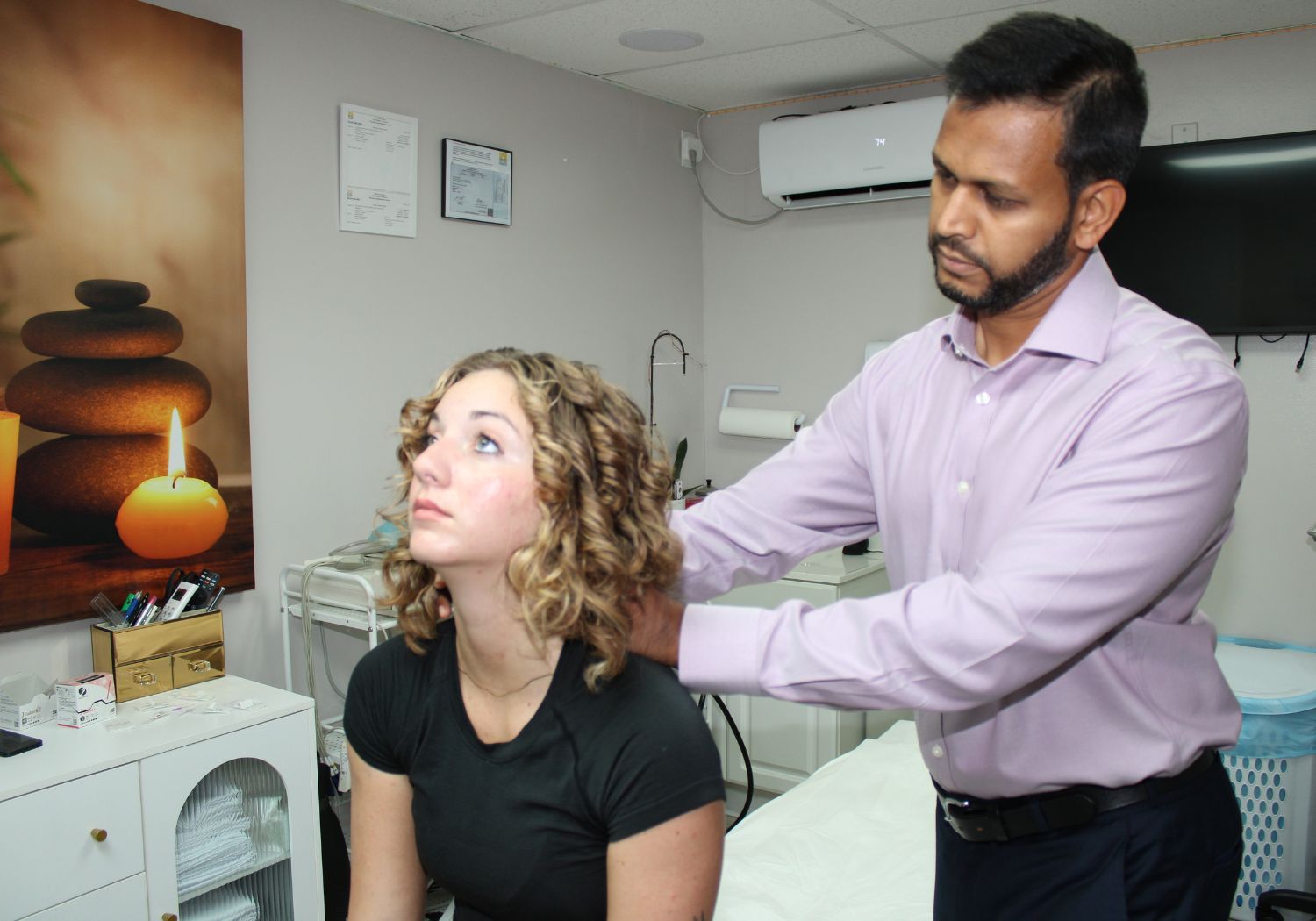
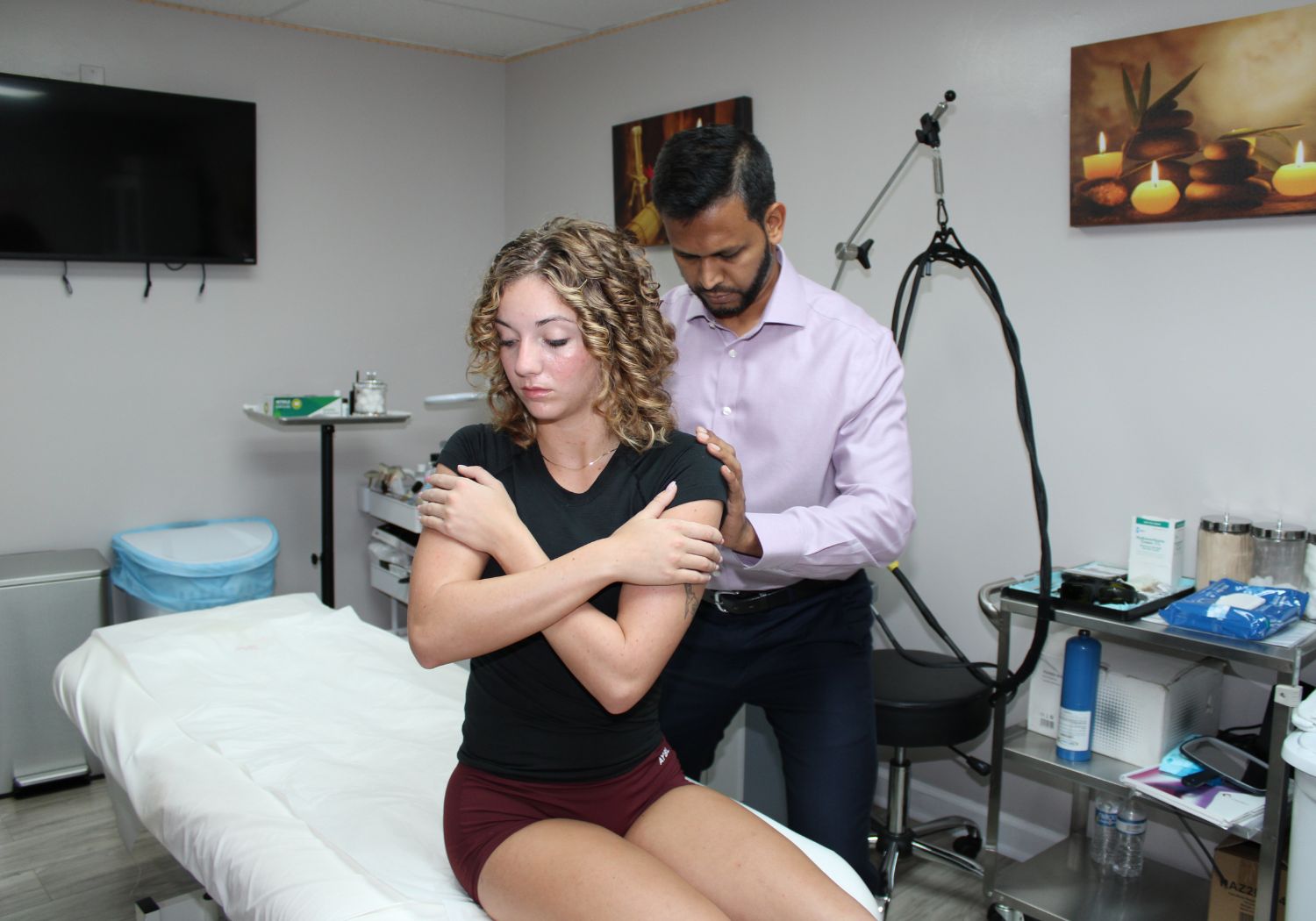
Our manual therapy techniques restore proper joint mechanics and relieve surrounding tension.
This includes:
- TMJ joint mobilizations
- Soft tissue release of facial and cervical muscles
- Upper neck and posture-focused treatment
TMJ Therapy in Tampa
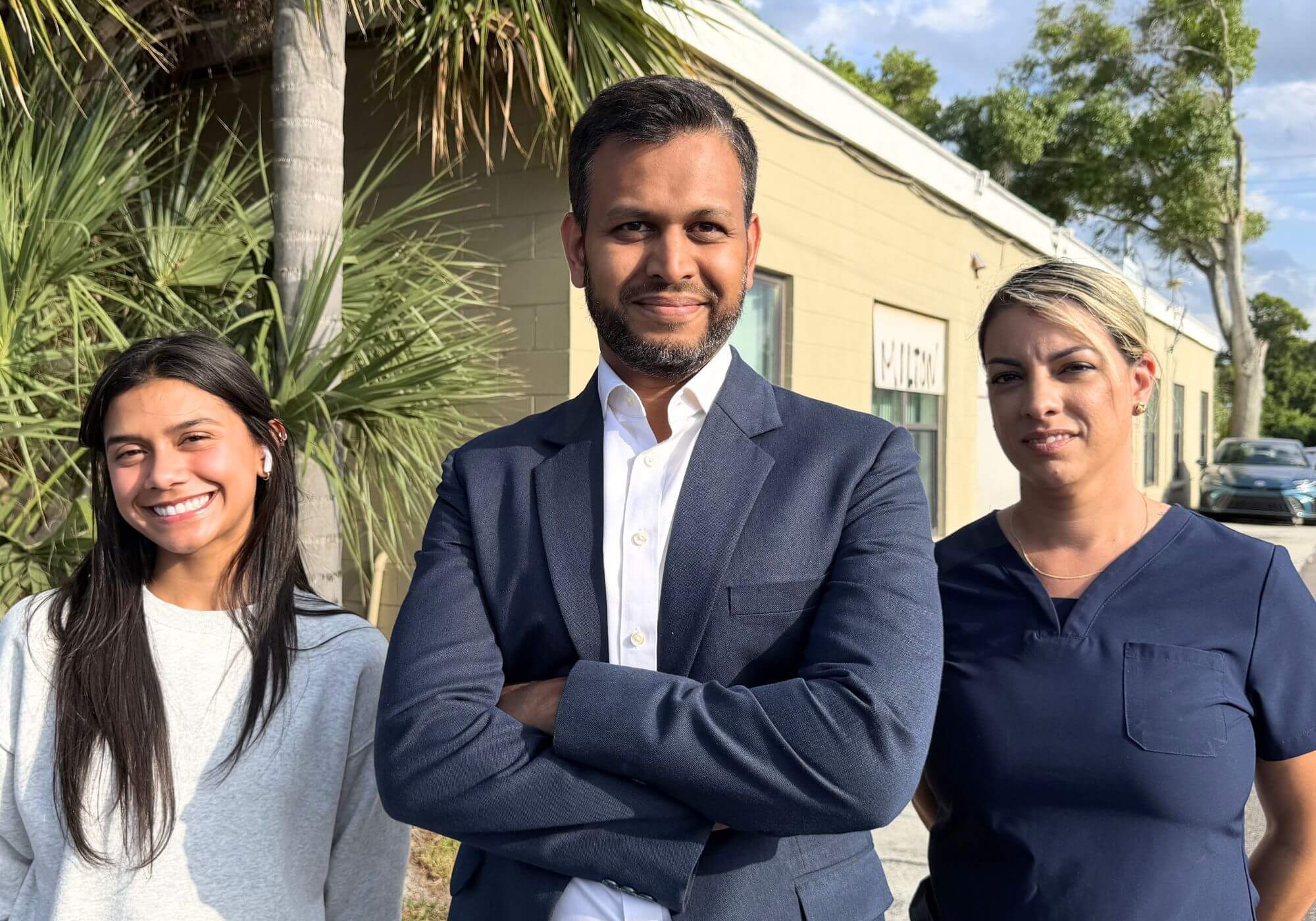
If you’re dealing with jaw pain, clicking, or tension, the sooner you address it, the easier it is to resolve.
Book your 1-on-1 TMJ Evaluation today and experience a higher level of care.