If your headaches tend to build as the workday progresses — starting as neck tightness around midmorning and becoming a full pressure headache by early afternoon — your body is sending a very clear message about what sitting at a desk is doing to your cervical spine.
This is one of the most common complaints we see at Nucleus Physical Therapy in Tampa, and one of the most consistently treatable.
The Desk Worker’s Headache
The average professional spends six to ten hours per day in a seated position, often with a screen positioned slightly below eye level, shoulders rounded forward, and the chin jutting out to compensate. This forward head posture shifts the mechanical load on the cervical spine dramatically — compressing the posterior joints, chronically shortening the suboccipital muscles at the base of the skull, and creating a sustained tension environment that the body eventually expresses as a headache.
Add in deadline stress, shallow breathing, and minimal movement throughout the day, and the conditions for a chronic daily headache pattern are firmly in place.
Why It Gets Worse Without Treatment
Postural headaches don’t typically self-resolve. The longer a forward head posture is held habitually, the more the surrounding soft tissue adapts to that shortened position. The cervical joints stiffen. The deep neck flexors weaken. The upper trapezius and levator scapulae become chronically overloaded. And the threshold for a headache drops lower and lower — until you’re not just getting headaches on busy days but every day.
What We Do Differently at Nucleus
Most headache treatment for desk workers focuses on ergonomics advice and general stretching recommendations. While those have value, they don’t address the joint restriction, trigger point activity, and neuromuscular imbalance that are actually producing the pain. At Nucleus, we treat the physical structures directly.
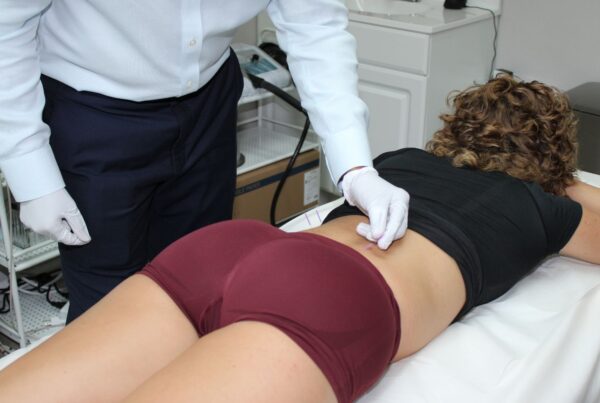
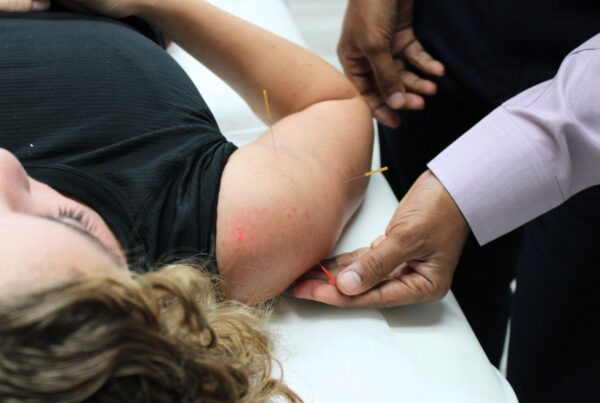
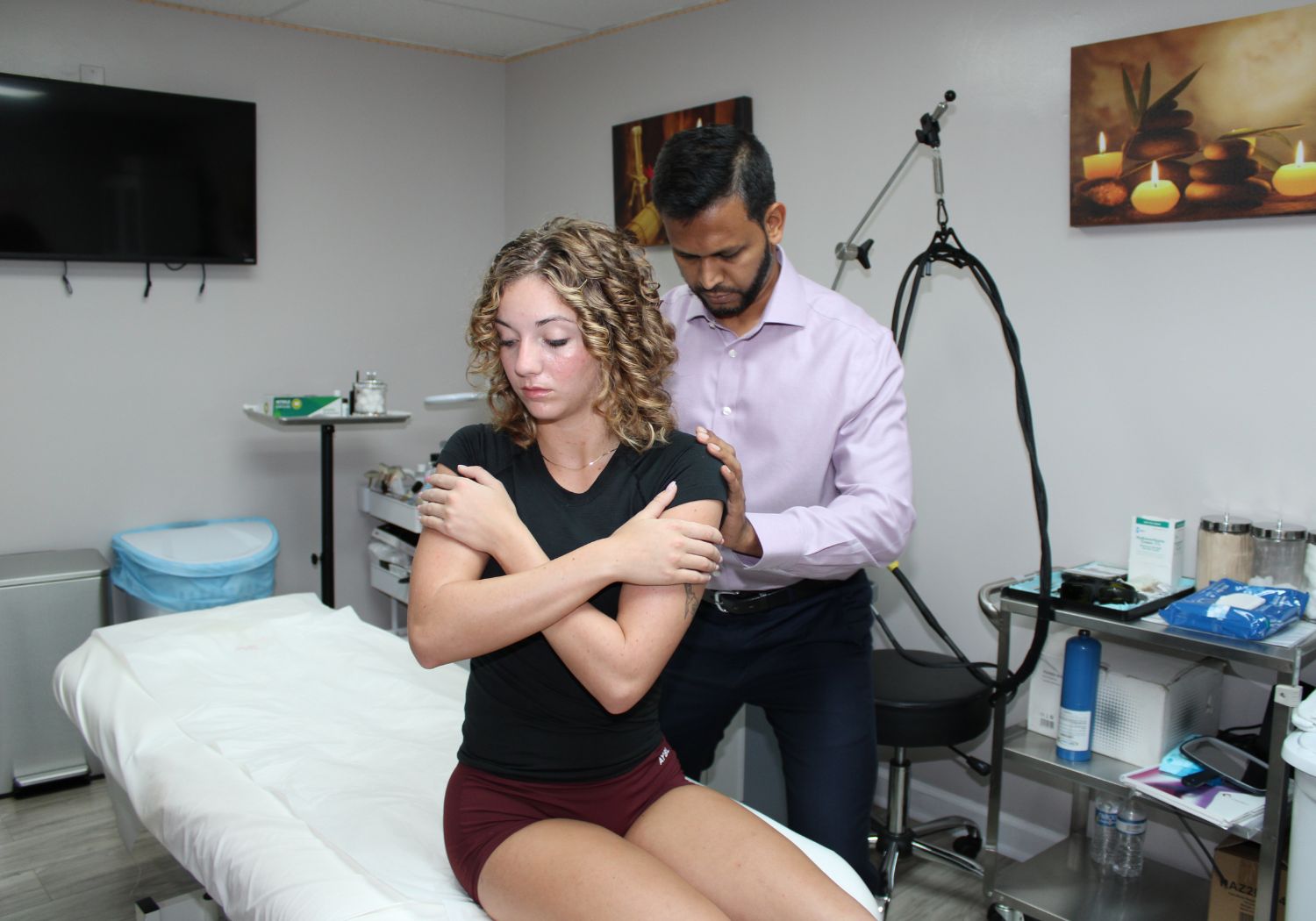
Treatment for postural headaches at Nucleus includes cervical joint mobilization to restore normal motion and reduce the compression that’s referring pain into the head, dry needling of the suboccipital, upper cervical, and upper trapezius trigger points that generate tension headaches, deep neck flexor strengthening to rebalance the cervical spine and reduce chronic posterior loading, and postural retraining and movement education to break the habits that are maintaining the problem — so results last beyond your last appointment.
How Long Does It Take?
Most patients with postural headaches notice meaningful improvement within the first two to three sessions. Full resolution — including addressing the underlying strength and mobility deficits — typically takes six to ten visits depending on how long the pattern has been established.
You shouldn’t be ending every workday with a headache. Book your evaluation at Nucleus Physical Therapy in Tampa and let’s treat the cause — not just survive the symptoms.