Reaching into a cabinet. Putting on a jacket. Lifting your arm to wash your hair. If any of these have started to produce a sharp catch, a deep ache, or a “stuck” feeling in your shoulder, you’re dealing with one of the most common complaints we see at Nucleus Physical Therapy — and one that almost always has a specific, identifiable cause.
Here’s what’s likely happening, and what actually helps.
The Shoulder Is Built for Mobility — Which Makes It Prone to Problems
Unlike the hip, which is a deep, stable ball-and-socket joint, the shoulder trades stability for range of motion. It relies heavily on the surrounding muscles and tendons — particularly the rotator cuff — to keep everything moving smoothly. That trade-off is exactly why the shoulder is so vulnerable to overuse injuries, impingement, and mechanical issues that cause pain specifically during overhead or lifting movements.
Common Causes of Pain When Lifting Your Arm
Rotator cuff tendinopathy or impingement. This is the most common cause of pain in the 60–120 degree range of raising your arm (often called the “painful arc”). The rotator cuff tendons can become irritated or slightly compressed as they pass through a narrow space in the shoulder, especially with repetitive overhead activity or poor shoulder mechanics.
Bursitis. A small fluid-filled sac (the bursa) cushions the shoulder joint. When it becomes inflamed — often from repetitive motion or impingement — it can cause sharp pain with overhead movement.
Rotator cuff strain or partial tear. More significant than tendinopathy, this involves actual damage to the tendon fibers, often causing weakness in addition to pain, particularly when lifting the arm away from the body.
Frozen shoulder (adhesive capsulitis). This causes progressive stiffness and pain, often making it hard to lift the arm in any direction, not just overhead. It tends to develop gradually and can significantly limit range of motion if not addressed.
Poor scapular (shoulder blade) mechanics. Sometimes the shoulder joint itself is fine, but the shoulder blade isn’t moving correctly to support it — often due to weakness or tightness in the upper back. This forces the shoulder joint to compensate, leading to pain over time even without a specific injury.
Referred pain from the neck. Not every shoulder pain originates in the shoulder. Nerve irritation or joint restrictions in the cervical spine can refer pain into the shoulder and upper arm, which is why a thorough evaluation always includes checking the neck.
Why an Accurate Diagnosis Matters More Than Generic Exercises
A lot of people try the same generic set of shoulder stretches and resistance band exercises they find online, regardless of what’s actually causing their pain. The problem: the right treatment for rotator cuff impingement looks very different from the right treatment for frozen shoulder or a neck-related issue. Using the wrong approach can, at best, waste time — and at worst, aggravate the problem further.
This is why your first visit at Nucleus Physical Therapy starts with a full evaluation, not a pre-set program. Dr. Mohsin Ansari, a doctor of physical therapy with 16 years of experience and advanced training in manual therapy, spends a full 60 minutes assessing your shoulder mechanics, strength, range of motion, and — critically — ruling in or out the neck as a contributing factor.
How Physical Therapy Treats Shoulder Pain
Once we know exactly what’s driving your pain, treatment is built specifically around it. Depending on the diagnosis, this may include:
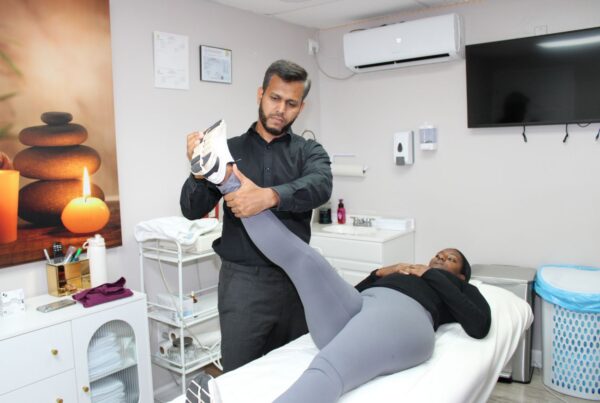
- Manual therapy to restore normal joint mobility and reduce compensation patterns
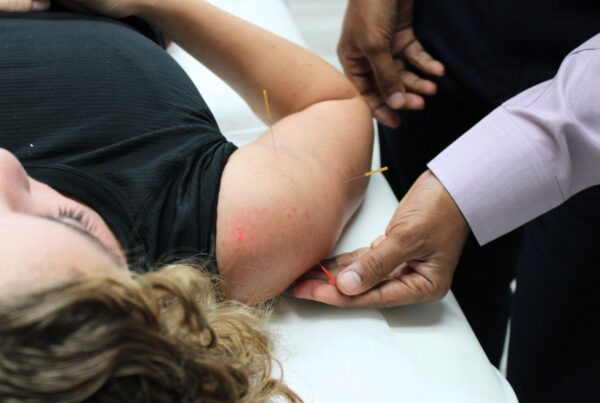
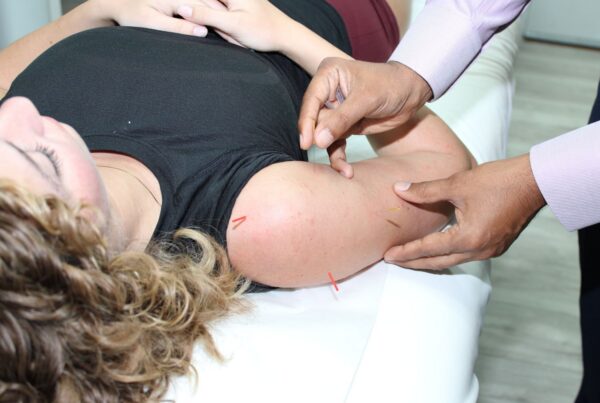
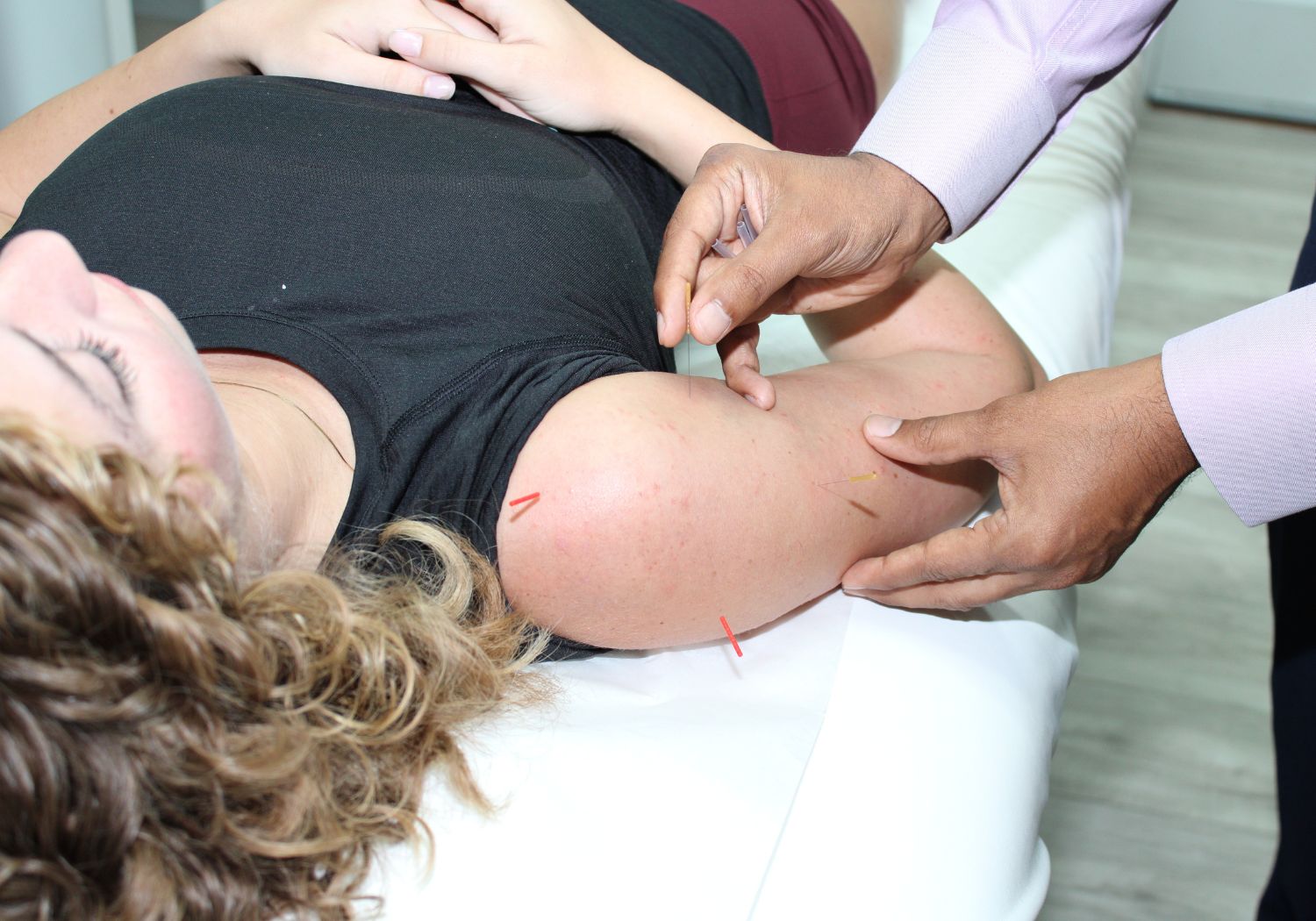
- Dry needling to release tight muscles (like the upper trapezius or pec minor) that are contributing to poor shoulder mechanics
- Rotator cuff and scapular strengthening, progressed carefully to avoid aggravating irritated tendons
- Mobility work for frozen shoulder or capsular restrictions
- Neck treatment when the shoulder pain is actually being referred from cervical joint restrictions or nerve irritation
- Movement retraining for overhead activities — especially relevant for Tampa’s active population, from weightlifters and swimmers to tennis and pickleball players
When to Get It Checked Out
You don’t need to wait until you can’t lift your arm at all. A few signs it’s time to get evaluated rather than wait it out:
- Pain has lasted more than a couple of weeks despite rest
- You’ve noticed new weakness when lifting or reaching
- The pain is starting to affect sleep, especially lying on that side
- You’ve felt a specific “pop” or sudden onset of pain during an activity
- Overhead motion is becoming progressively more limited, not less
Getting Started Doesn’t Require a Referral
Because Florida allows direct access to physical therapy, you can be evaluated and start treatment right away — no referral, no waiting weeks to get in with an orthopedist first. If something more serious is found during your evaluation, we’ll help point you in the right direction, but most shoulder pain responds very well to a focused, one-on-one physical therapy plan.
Tired of avoiding overhead reaches and lifts? Book a free discovery call with Nucleus Physical Therapy in Tampa, or call (813) 570-1785 to find out exactly what’s going on with your shoulder.